
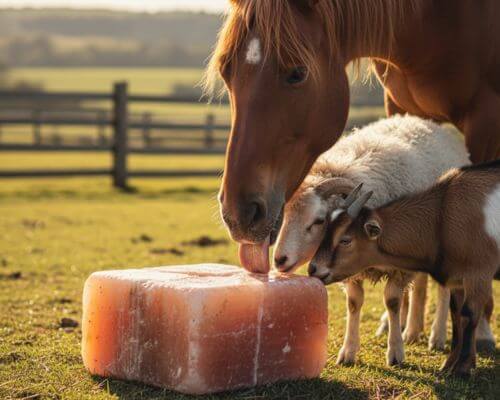
8 benefits of animal salt lick
Unlocking Vital Health: The Comprehensive Benefits of Animal Salt Lick for Livestock and Wildlife Whether it is livestock or horses, or wildlife, attention to concerns like quality of feed, fresh water, and quality of grain always ranks high in any caretaking processes. Still, giving animals access to a salt lick is probably not something that has crossed the mind of many people, even though it can be very simple yet very effective. Whether the salt lick is placed in the pen for animals, hung in the stable or utilized in a conservation project for deer or elk, salt and mineral licks play an essential role. These substances represent high-density sodium as well as other trace elements that offer much more than just food seasoning – they also fill the gaps left by regular forage and feeds in terms of their nutritional quality. What is an Animal Salt Lick? Salt licks for animals come in the form of hard lumps of minerals or natural rock with the bulk being sodium chloride and some additional minerals such as potassium, magnesium, iron, zinc, copper, and selenium. Unlike conventional salt blocks used for humans that only have sodium and chloride, the modern types of salt lick such as the Himalayan pink salt lick contain a wider variety of mineral deposits. Top Health Benefits of Animal Salt Lick Providing livestock and other animals with constant access to a salt lick yields a wide array of scientifically backed physiological and economic advantages. 1. Corrects Nutritional Deficiencies The nutritional output of natural forage, hay or even manufactured feeds can be widely varied depending on the chemical composition of the soil in a given area. If specific elements are missing from the soils, the plants become deficient in nutrients. The animal mineral lick serves as a safeguard for the animals that amends little deficiencies before they develop into serious health issues. 2. Stimulates Appetite and Enhances Feed Efficiency Sodium is an essential component for the maintenance of the overall system of chemicals, but at the same time, this element leads to the direct stimulation of the appetite. Animals with insufficient sodium intake usually show poor appetite along with slow growth rates. The provision of a salt lick to the livestock improves the taste qualities of the feed and thus results in better feed consumption and feed conversion rates along with good weight gain. 3. Improves Digestive Health and Rumen Function Animals that belong to the group known as ruminants, such as sheep, goats, and cows, rely heavily on the effectiveness of their saliva during digestion. The gland that produces saliva gets activated by salt, and the continual swallowing of saliva achieves various functions in the rumen – it adds crucial buffers into the rumen, preserves the standard structure of microflora, prevents bloating, causes separation of tough parts of plants, and other functions. Chloride ions facilitate the synthesis of hydrochloric acid in the stomach, which contributes to the efficiency of the process of digestion. 4. Promotes Optimal Hydration and Prevents Heat Stress Salt naturally induces thirst. When animals frequently visit an animal salt lick, they are naturally encouraged to drink more water. This increased water intake is vital for: Regulating core body temperature during hot summer months. Preventing dehydration and fatal heat stress. Flushing toxins through proper kidney and urinary tract function. 5. Boosts Milk Yield and Quality in Dairy Animals Lactating farm animals, such as dairy cows, goats, and ewes, can deplete large amounts of sodium, calcium, and phosphorus from their bodies. Milk contains a high proportion of electrolytes. Without an active animal salt lick, both milk production and the health of the animal start deteriorating. Providing continuous salt blocks can make it possible to produce high volumes of milk rich in nutrients continuously. 6. Strengthens Bone and Muscle Development The presence of trace elements such as calcium, phosphorus, and magnesium in special mineral licks is essential for the formation of bone structure. Calves, colts, and lambs require these minerals for the prevention of such diseases as rickets, stiffness in the joints, and brittle bones. In addition to this, sodium and potassium are also essential for proper functioning of the nervous system and muscles. 7. Enhances Reproductive Performance Infertility and irregular estrus cycles are frequent hidden costs of mineral-deficient herds. Trace elements like zinc, copper, and selenium heavily influence reproductive health in both males and females. Utilizing a trace-mineral-infused animal salt lick helps secure high conception rates, healthy gestation periods, and vigorous offspring. 8. Reduces Stress and Anxiety An often-overlooked feature of high-grade mineral and Himalayan salt licks is the presence of magnesium. Magnesium acts as a natural calming agent for the nervous system. Animals experiencing environmental stressors—such as weaning, transport, overcrowding, or extreme weather changes—often find relief and stabilization through regular interaction with a salt block. Comparing Regular Salt Blocks vs. Himalayan Salt Licks When shopping for an animal salt lick, you will generally encounter two primary varieties: Feature Regular Salt Block Himalayan Pink Salt Lick Composition Primarily refined sodium chloride with artificial binders or added iodine. 100% natural rock salt featuring over 84 trace minerals (iron, magnesium, potassium, etc.). Durability Softer texture; can dissolve rapidly when exposed to heavy rain or outdoor moisture. Extremely dense and weather-resistant; crumbles far less outdoors. Nutritional Scope Limited strictly to sodium and chlorine (plus any artificially added single vitamin). Offers a broad spectrum of bio-available macro and micro-nutrients. Best Practices for Implementing a Salt Lick To maximize the advantages of an animal salt lick, consider the following practical management strategies: Keep Water Nearby: Because salt increases thirst, always ensure clean, fresh drinking water is located within a short distance from the lick station. Elevate the Blocks: Place salt blocks in specialized holders or mount them above ground level. This prevents them from becoming contaminated with mud, manure, or urine, ensuring maximum hygiene. Protect from Weather: While hard rock salt stands up well to the elements, placing blocks under a simple lean-to or roof prevents heavy downpours from dissolving the